
CCTV & Video Surveillance
Camera systems designed around what you actually need to see and prove — not just cameras mounted wherever’s convenient.
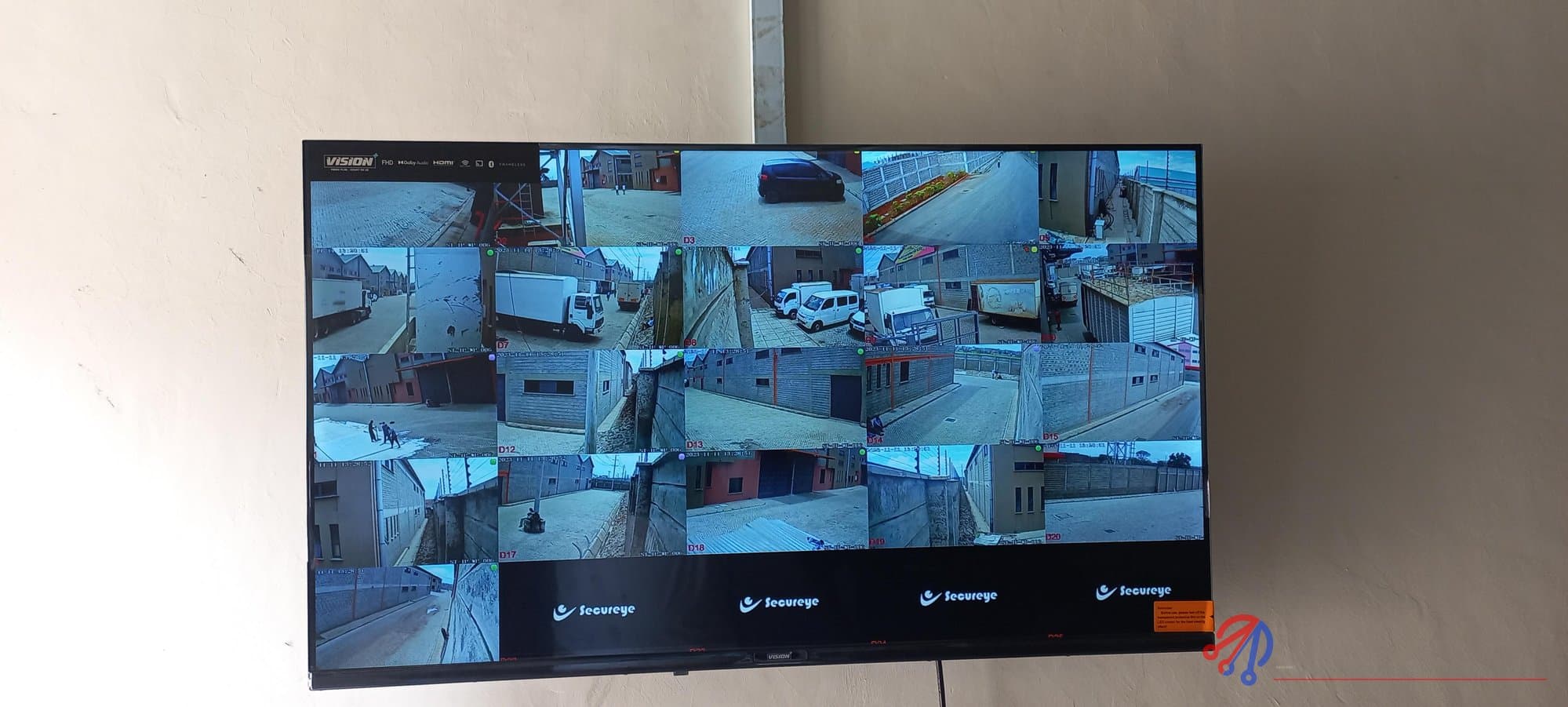
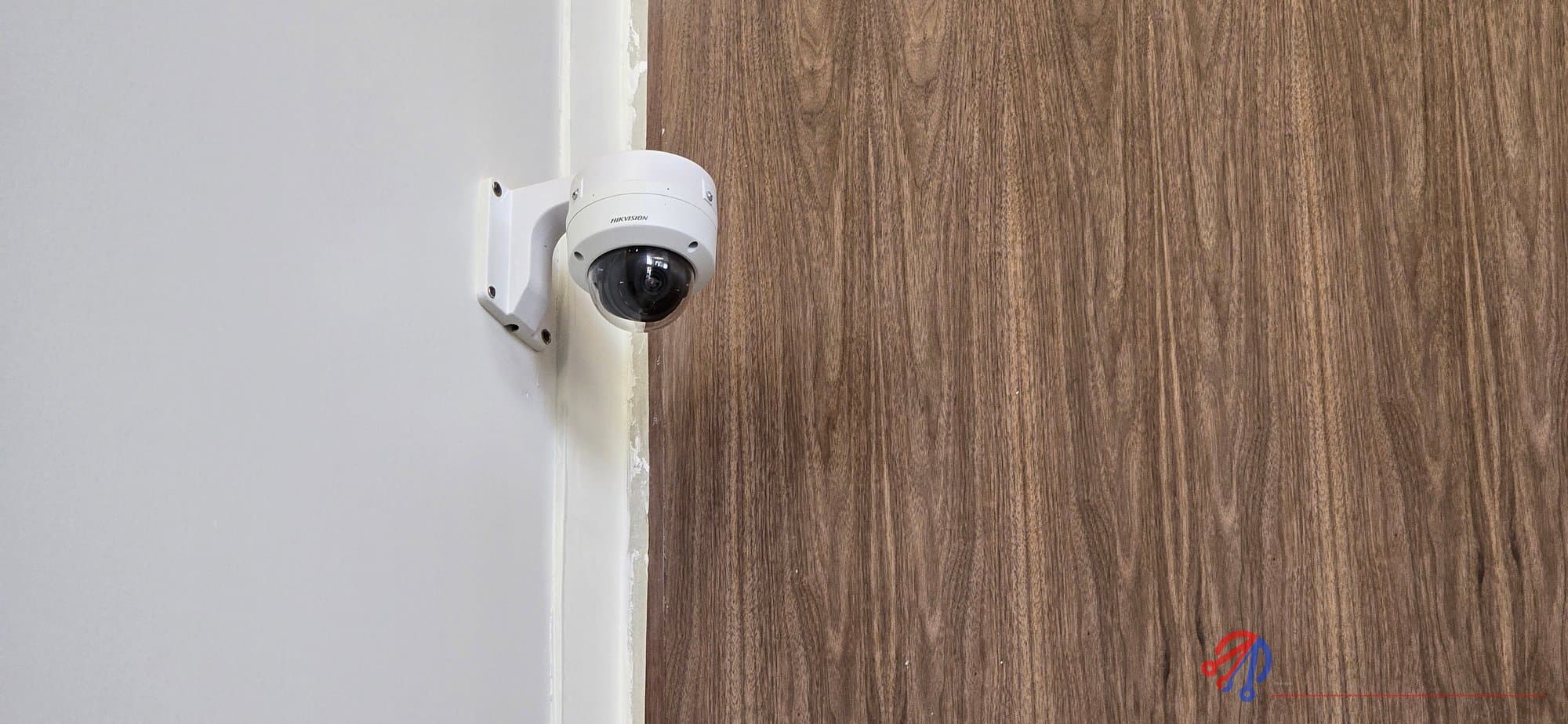
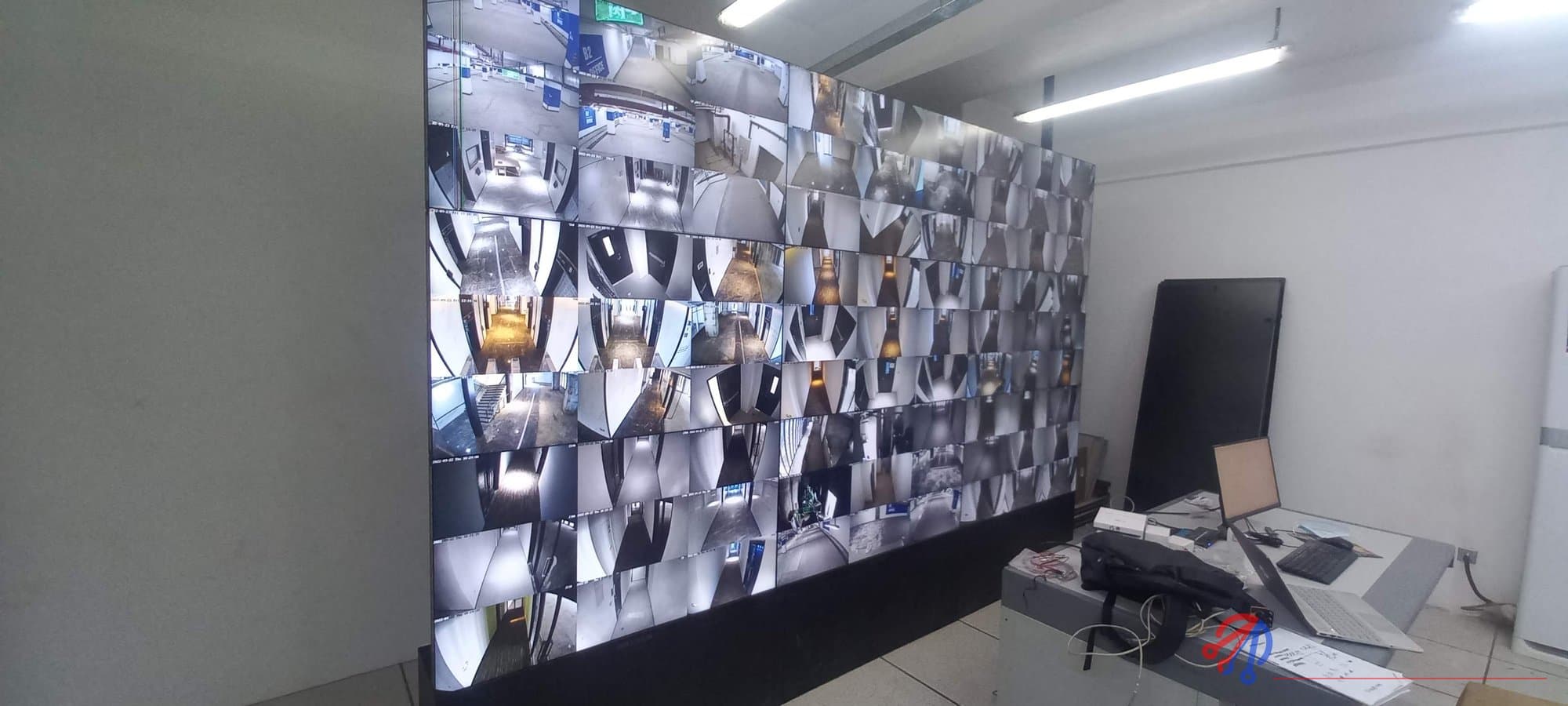
Why it matters
Real deterrence
Cameras placed where they actually cover risk, not just wherever's convenient to mount.
Evidence when it matters
Footage that's actually retained and retrievable, not lost to a full drive.
Remote peace of mind
Check in on your site from anywhere, without needing to be there.
What this covers
- Site assessment to place cameras where they cover real risk — entrances, stock, cash points, perimeters
- Installation and configuration of recording, remote viewing, and storage retention, on brands including Hikvision and Dahua
- Ongoing maintenance so footage is there and usable the one time you actually need it
Brands we work with


Frequently asked questions
Do you install hidden or covert cameras?
Yes, for legitimate security purposes — a discreetly placed camera covering a blind spot or a till point without tipping off someone casing the place is standard loss-prevention practice. What we won't do is place cameras anywhere someone has a reasonable expectation of privacy, like changing rooms or washrooms — that's not something we install, for legal and ethical reasons.
What's the difference between a DVR and an NVR system?
A DVR (Digital Video Recorder) runs analog cameras over coax cable and is usually the cheaper, simpler option. An NVR (Network Video Recorder) runs IP cameras over your network — typically Ethernet with Power over Ethernet (PoE) — and supports higher resolution, more cameras, and more flexible placement. We spec whichever actually fits your site and budget, not whichever is easier to sell.
How long is CCTV footage stored before it gets overwritten?
It depends on your storage size, camera count, and resolution — we size this to the retention period that actually makes sense for your site, commonly 30 to 90 days. If you need footage kept longer for compliance or insurance reasons, we design the storage around that requirement upfront rather than finding out it's too small after the fact.
Can I view my cameras remotely from my phone?
Yes — modern CCTV systems support remote viewing through a mobile app, so you can check in on your site from anywhere, not just from an on-site monitor. We set this up as standard as part of the installation.
Do CCTV cameras work at night?
Yes, with infrared (IR) or low-light-capable cameras, which most modern models are. If night visibility matters for your site — a yard, a perimeter, a dark stairwell — we make sure the cameras we spec are actually rated for it, not just daytime footage that goes dark after sunset.
Is it illegal to record someone with a nanny cam or hidden camera without telling them?
Generally yes, if the footage identifies them — Kenya's Data Protection Act treats video that identifies a person as personal data, which usually means you need to give notice that recording is happening (a visible sign is normally enough for commercial premises). A camera watching a common household or work area with a sign or verbal notice is on much firmer ground than one hidden specifically to catch someone unaware in a space they'd expect privacy in. If you're unsure where your situation sits, that's exactly what our compliance and regulatory advisory service is for.