
Electric Fence
Perimeter security that raises the alarm — and keeps people out — before they ever reach the building.
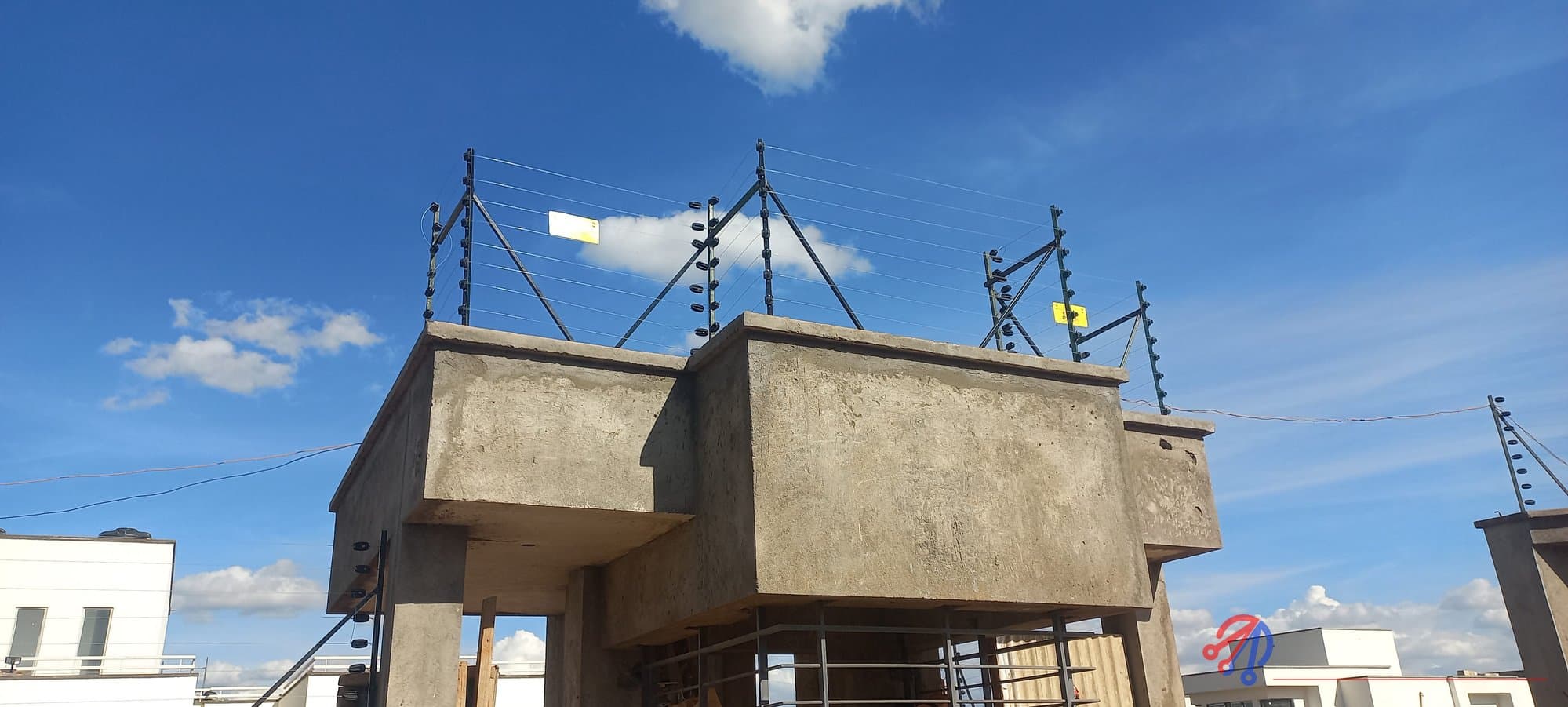
Why it matters
A real first line of defense
Deters intrusion before it reaches the building, not after.
You know the moment it's tested
Zoned alerts show exactly where the fence was breached, not just that it was.
Kept compliant and live
Regular maintenance means the fence is actually working, not just installed.
What this covers
- Electric fence design and installation sized to the perimeter and the level of deterrent needed
- Integration with an alarm and monitoring system, so a breach triggers a real response, not just a shock
- Energizer, zone, and cabling maintenance, so the fence stays live and compliant
Frequently asked questions
What's the difference between a W post and a straining post?
W posts (also called line posts, named for their shape) are the regular support posts spaced along a fence run — they hold the wire up but don't carry much load. Straining posts sit at corners, gates, and ends, where the wire tension is highest, and are built heavier (often concrete or reinforced steel) to actually anchor that tension. Getting this mix wrong is a common cause of a fence that sags or fails at the corners first.
What are insulators for, and why do they matter?
Insulators mount the live HT wire to the posts without letting the electrical charge earth out through the post into the ground. A cheap or damaged insulator is one of the most common reasons an electric fence feels weak or stops delivering a real shock — the current is leaking away at the post instead of running the full length of the wire.
What is HT wire?
HT (High Tensile) wire is the actual conductive wire strung between the posts, carrying the pulse from the energizer around the perimeter. It's chosen for strength and low stretch, not just conductivity, so the fence line stays taut and effective over time instead of sagging.
How do I choose the right energizer for my fence?
The energizer (the unit that generates the pulse) needs to be sized to your fence's total wire length, number of zones, and site conditions like vegetation that can drain the charge. An undersized energizer is one of the most common reasons a fence looks installed but doesn't actually deter anyone — we size this to the site, not off a generic chart.
Does an electric fence need to be earthed, and what affects that?
Yes — earthing (grounding) completes the circuit and is what actually makes the fence deliver an effective, safe pulse instead of a weak one. Soil type matters a lot: dry, sandy, or rocky ground conducts poorly and needs more or deeper earth rods than moist soil does. Earth rods also need to be kept a safe distance from your building's own electrical earth — too close, and the two systems can interfere with each other. Poor earthing is one of the most common reasons a fence tests fine on installation day but feels weak a few months later.
Can an electric fence hurt or kill someone, or pets?
A correctly designed and compliant electric fence delivers a short, sharp, unpleasant pulse meant to deter, not a lethal shock — energizers sold and installed to spec are built to stay within safe pulse-energy limits. The real risk comes from non-compliant or DIY setups using the wrong energizer for the wire length, which is exactly why we size and install to spec rather than just wiring up whatever's cheapest.
What are the signage and safety requirements for an electric fence in Kenya?
Warning signage at regular intervals along the fence and at access points is a standard requirement, so anyone approaching knows it's live before they touch it. We fit this as part of every installation, along with keeping the design within safe voltage and pulse-energy limits — not something to add on later if you get asked about it.