
Fire Alarm & Detection Systems
Smoke and heat detection wired to an alarm that actually reaches people in time — inspected and maintained, not installed once and forgotten.
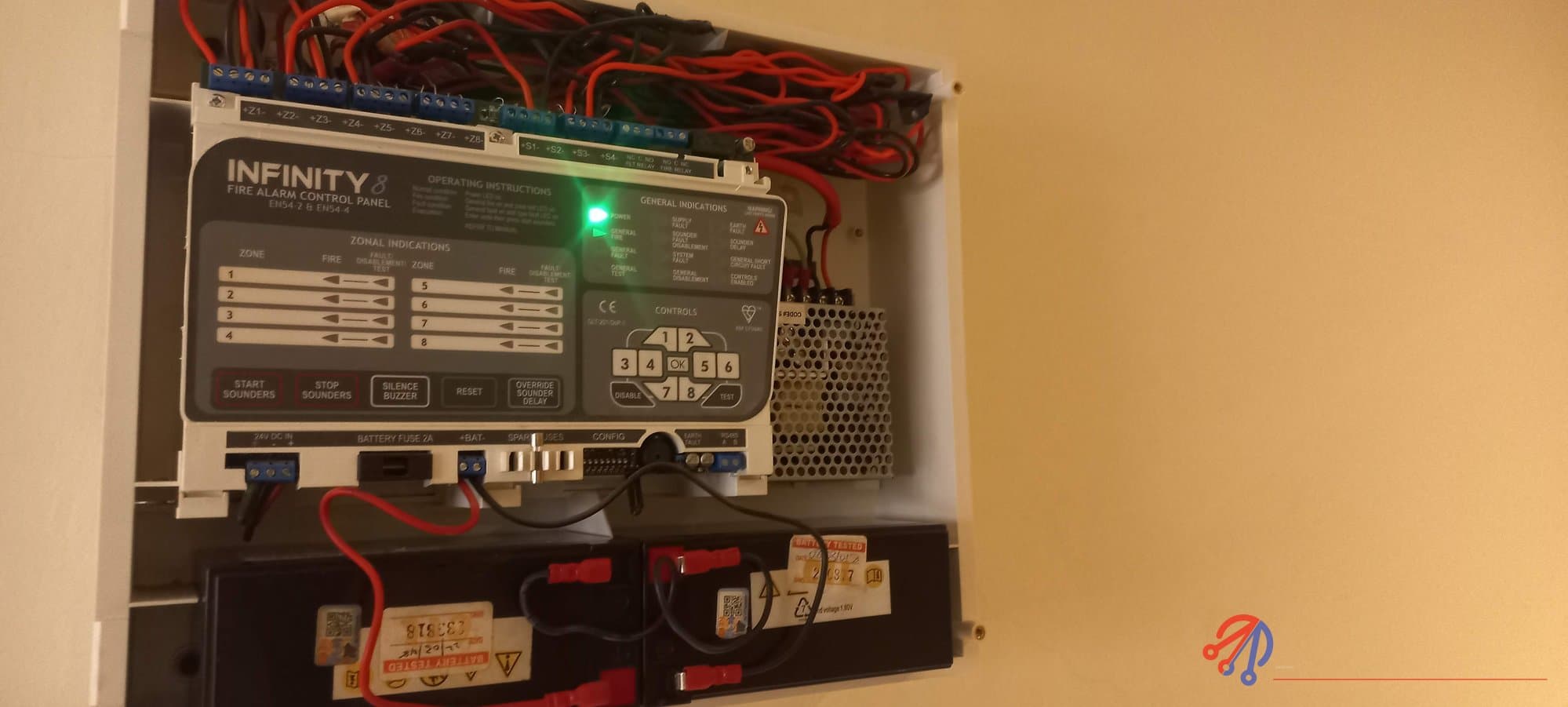
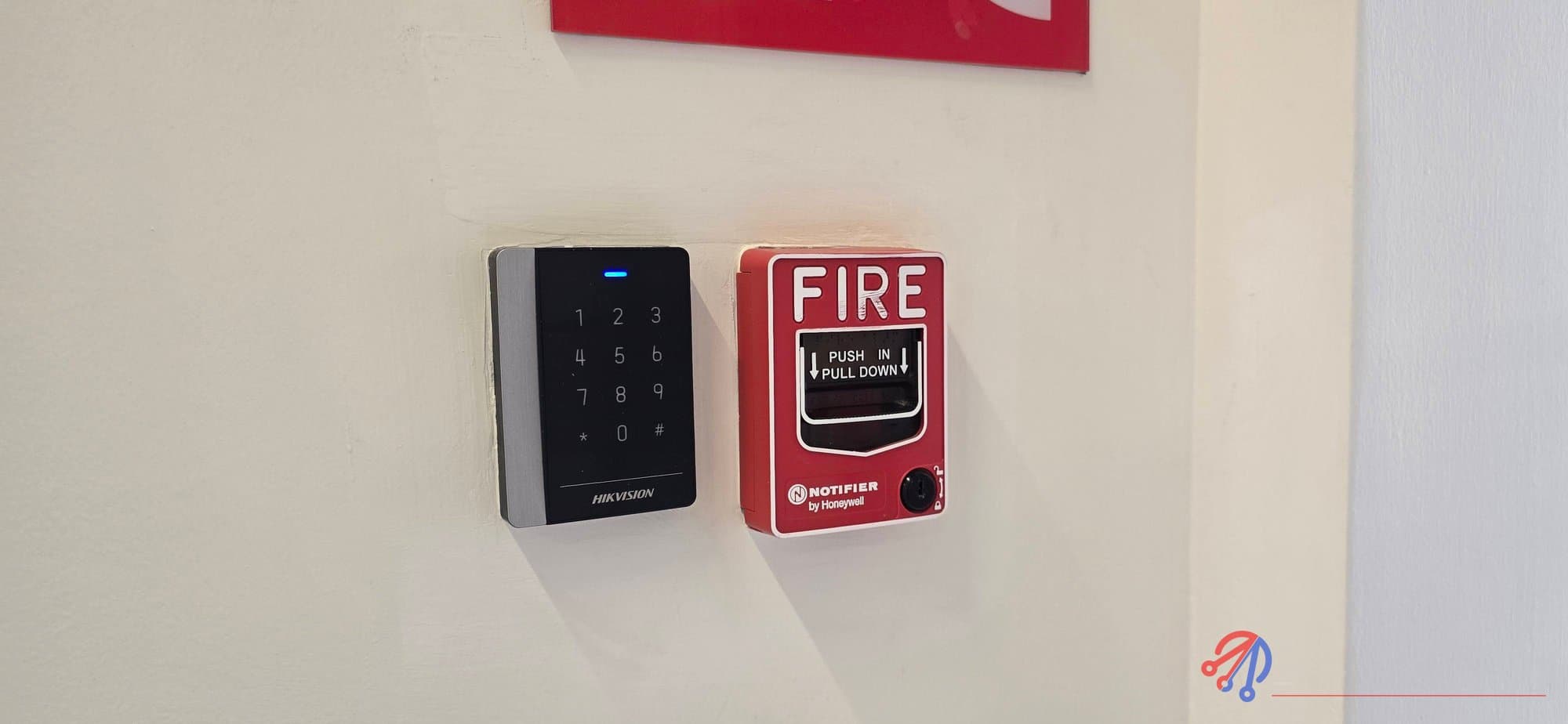
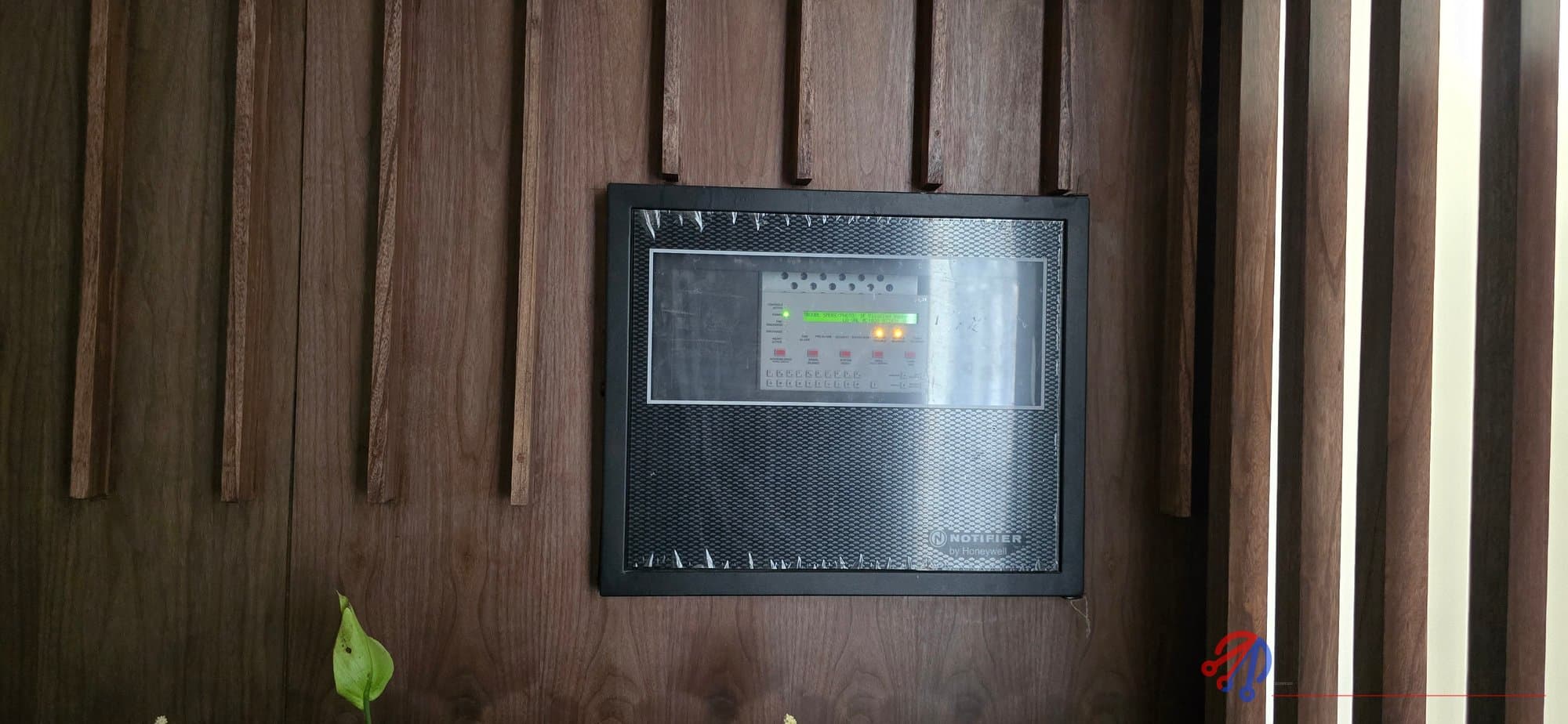
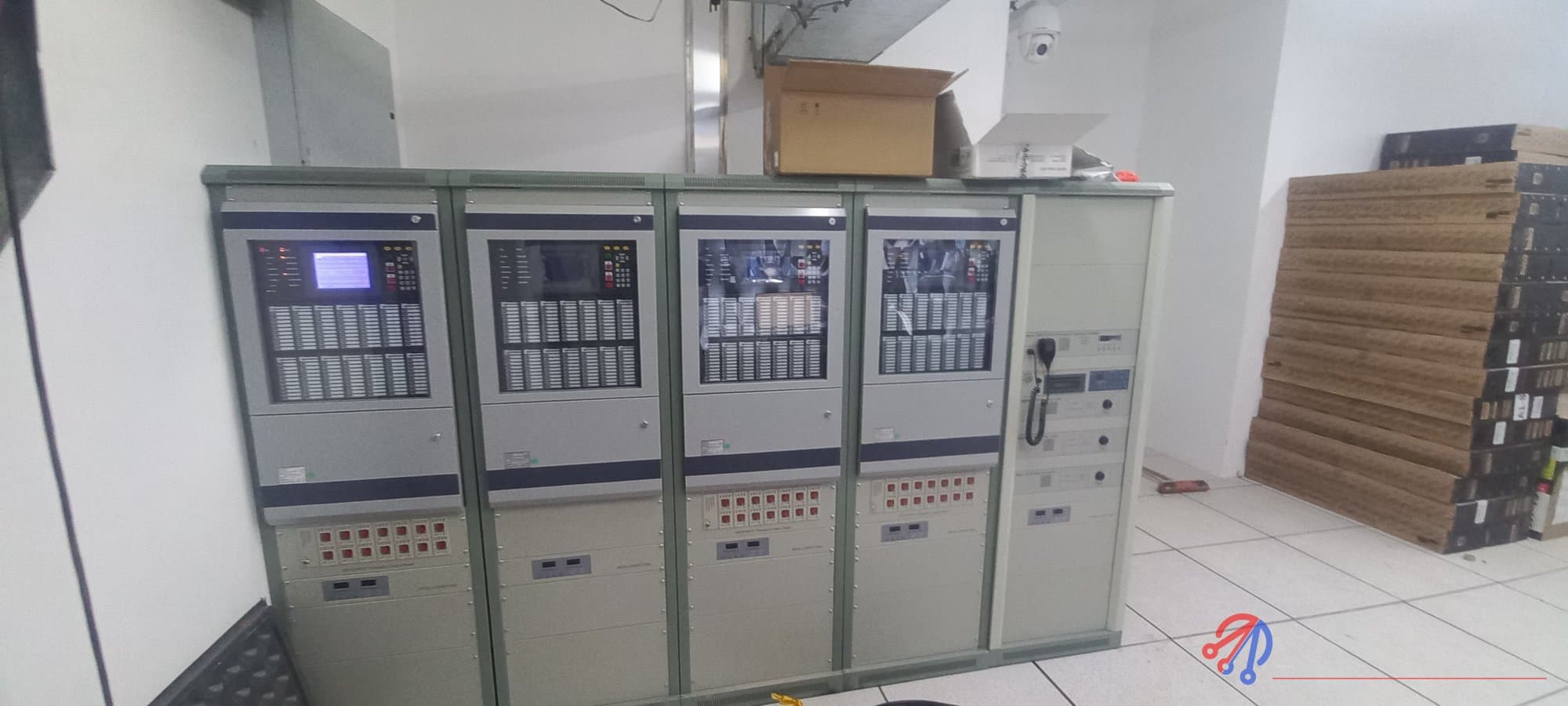
Why it matters
Early warning that works
Detection and alarms designed around your actual layout, not a generic checklist.
Compliance made simple
Regular testing and documentation ready for inspection, insurance, or audit.
Fewer false alarms
Properly specified detectors mean fewer disruptive false triggers.
What this covers
- Site assessment and design matched to the building's layout and fire risk
- Installation of smoke, heat, and gas detectors, alarm panels, and sounders, integrated with existing security systems where useful
- Scheduled testing and compliance checks, so the system works the one time it has to
Frequently asked questions
What's the difference between a smoke detector and a heat detector?
A smoke detector reacts to smoke particles and gives the earliest warning, but can false-trigger from steam, dust, or cooking fumes. A heat detector reacts to temperature rise and is more resistant to false alarms, but reacts later — that's why kitchens and dusty workshops often get heat detectors while offices and corridors get smoke.
How often does a fire alarm system need to be tested or inspected?
Regular scheduled testing — at minimum annually, more often for higher-risk or larger sites — is standard, so the system and its documentation are ready whenever an inspector, insurer, or auditor asks, not scrambled together after the fact.
Can a fire alarm system be integrated with our existing CCTV or access control?
Yes — integrating fire detection with security systems already in place (for example, unlocking doors automatically on a fire trigger) is something we design for where it makes sense for the building.