
Cybersecurity Advisory
A cybersecurity advisory review looks at your actual defenses — access, backups, network exposure — to find where a real attacker could get in, not just whether antivirus is installed.
An honest look at where your security posture stands today, and a practical plan to close the gaps that matter most.
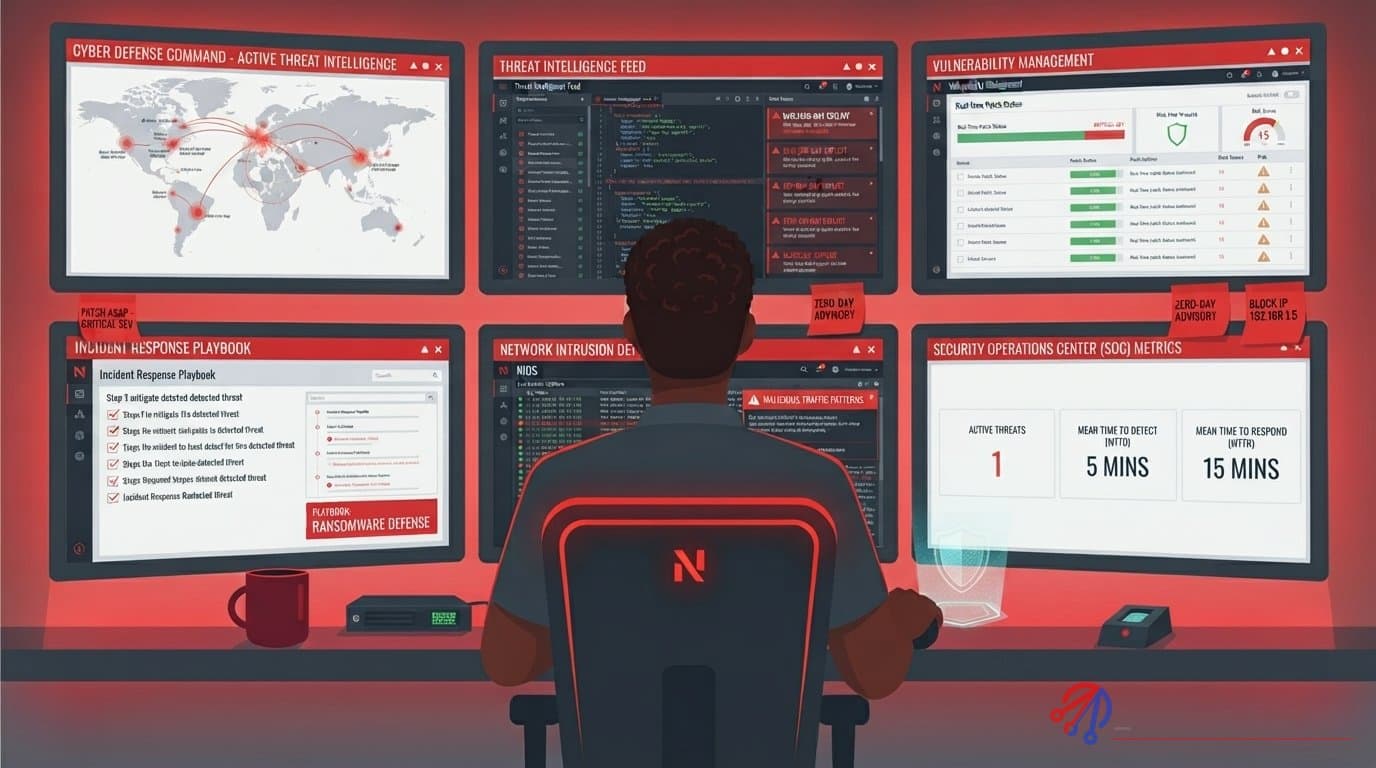
Why it matters
Know your real exposure
An honest picture of where you're actually vulnerable, not a generic checklist.
Spend where it matters
Fix the highest-risk gaps first instead of spreading budget thin.
Board-ready answers
Plain-language findings you can explain to investors, insurers, or regulators.
What this covers
- Reviewing current defenses — access control, backups, network exposure — for real gaps
- Prioritizing fixes by actual risk, not a generic checklist
- Plain-language recommendations a non-technical decision-maker can act on
Frequently asked questions
How often should a business run a cybersecurity assessment?
At least once a year, and again after any major change — new systems, new premises, a big jump in staff with system access. Threats and your own setup both change faster than an assessment done once and filed away can keep up with.
What's the difference between cybersecurity advisory and managed cybersecurity?
Advisory is a review — an honest assessment of where your defenses actually stand and a plan to close the gaps. Managed cybersecurity is the ongoing work of running and monitoring those defenses day to day. Many businesses start with an advisory review to know what needs fixing, then move to managed cybersecurity to keep it that way.
Do small businesses really need a cybersecurity review, or is that just for big companies?
Small businesses are actually a common target precisely because attackers assume defenses are weaker. A review scaled to a small operation — not an enterprise-grade audit you don't need — is usually more affordable than people expect, and cheaper than recovering from a breach.